 FUEL SHOES
Case Study · Mar 2026
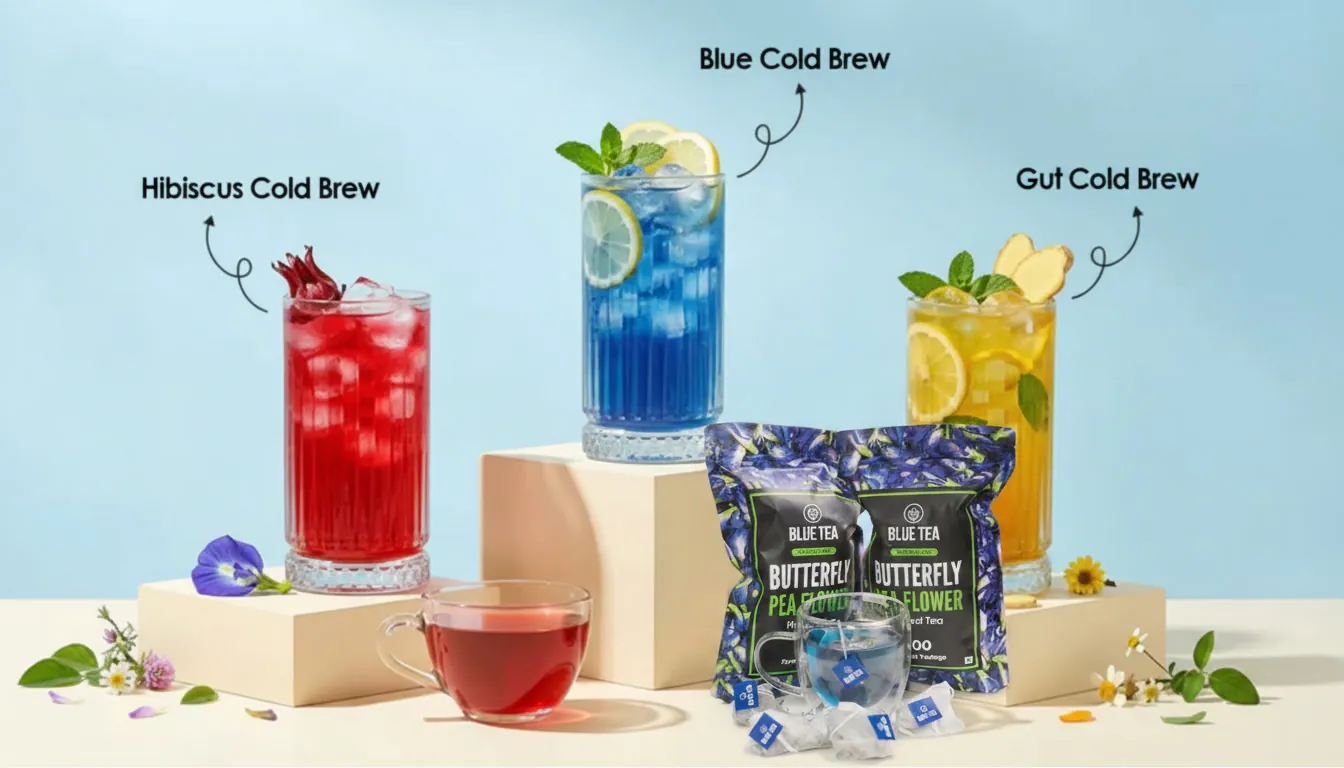
A national TV moment gave Blue Tea the kind of inbound spike every D2C founder prays for. At their existing creative throughput, the wave would have faded in weeks. We built multiple creative pipelines in parallel and kept the momentum going for months.
 BLUE TEA
⏤ Summarize with AI
Open this article in your favourite chatbot for a 3-bullet summary.
ROAS
3.4×
Creatives / Mo
30
Hooks Tested
42
Blue Tea got the kind of moment every D2C founder dreams of: a slot on a famous national TV show, weeks of inbound, an audience that had suddenly heard of the brand. The playbook said ride the wave. The problem with that playbook is the wave fades — fast — if your creative pipeline can’t feed the new audience long enough to convert them.
Blue Tea showed up on a marquee national TV show — the kind of appearance that takes a niche wellness brand into everyone’s timeline overnight. Inbound spiked. CTRs on existing campaigns spiked. For about a week, every metric looked like a victory lap.
Then the second-week problem started. The post-TV audience is bigger than the brand’s previous one — and most of them don’t yet know what wellness tea actually does for them. They need the category explained, the product reframed, the hook re-tested. And they need to see Blue Tea’s ads more than once before they buy.
Blue Tea’s pre-TV creative output was sized for their pre-TV spend — small, steady, monthly. Once the audience tripled, the same creatives served the same impressions to the same people too many times. Frequency went up, hold rate went down, CPMs followed. Inside two weeks, the curve was already starting to soften.
The fix wasn’t a clever single creative. It was a creative system that could keep up with the new audience — many angles, many products, many hooks, many CTAs — all running in parallel so no single pocket of attention got over-served.
We mapped four “moments of pain” the post-TV audience was actually searching for, and built a separate creative pipeline for each:
Each pipeline had its own creator pool, hook library, hero SKU (different products lead with different angles), and CTA — so the same brand showed up four different ways depending on which entry-point the viewer matched. Same brand, four front doors.
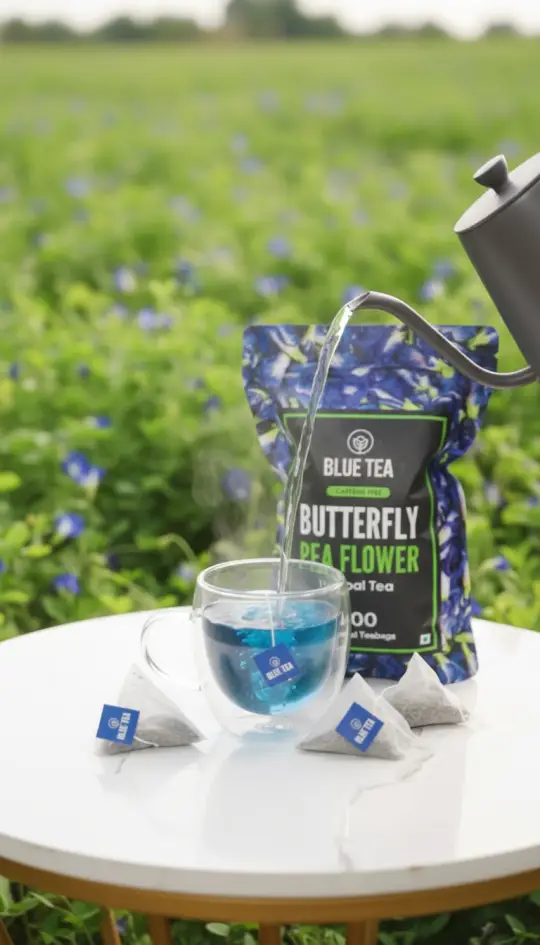
Across the four pipelines, three formats consistently scaled past ₹3 lakhs/day in spend:
Most TV-driven D2C spikes peak in week 2 and fade by week 6. Blue Tea’s curve flattened into a plateau — and the plateau held. ROAS sustained at 3.4× for months. The post-TV audience didn’t churn away because they kept seeing fresh angles every time the brand showed up in their feed.
“Going on TV was the easy part. Sustaining what came after was the thing nobody told us about. Once the creative side was running on its own engine, the rest of the business could focus on shipping product to all the new customers.”
A TV slot, a viral founder post, a celebrity endorsement — these all do the same thing: deliver a temporarily-bigger audience to your ad account. Whether that audience converts depends on whether your creative pipeline is sized for the moment, not for last quarter. The cost of not being ready is the moment quietly fading without you noticing — until the next quarterly review.
⏤ Free audit
Read-only access to your Meta + Google Ads accounts. Full teardown of wasted spend, creative fatigue, and ROAS forecast. No obligation.
⏤ Working on something similar?
Read-only access to your Meta + Google Ads accounts. Full teardown of wasted spend, creative fatigue, and ROAS forecast. No obligation. Or jump straight to our performance marketing page.
We use cookies for analytics and ads. See our Privacy Policy.