 UGC
UGCUGC · May 2026
Meta and Google’s targeting tools have collapsed into broad + signal loss. The lever that still works is the one most teams under-invest in: creative volume and variance.
 UGC
UGC⏤ Summarize with AI
Open this article in your favourite chatbot for a 3-bullet summary.
For a decade, “targeting” meant interest stacks, lookalikes, custom audiences. In 2026, almost none of that matters. The algorithm finds your buyer faster than your media planner ever could — but only if you give it enough creative variance to learn from.
Meta's algorithm now does the targeting. Detailed audience targeting has been automated and consolidated (Advantage+), so the creative itself — hook, format, message — is what tells the algorithm who to serve. Creative is now the primary lever; targeting is largely automatic.
Three things broke the old playbook in the last 18 months: iOS signal loss made cookie-based audiences shaky, Meta consolidated targeting into Advantage+ defaults, and Google folded everything into Performance Max. Whether you fight or flow with this, the result is the same: the algorithm is doing the targeting, and your role is to feed it the right creative inputs.
A fitness creator on camera signals “fitness audience” to the algorithm louder than any interest stack ever did. A founder talking about cortisol signals “wellness-curious 28-year-old.” The targeting now happens inside the ad, in the first 1.5 seconds. That’s where you put the audience cue.
Our working rule for D2C accounts spending ₹5L+/month on Meta:
“If you can’t answer “what hook is the algorithm starving for?” in 30 seconds, you’re not running a performance account — you’re running a media plan from 2018.”
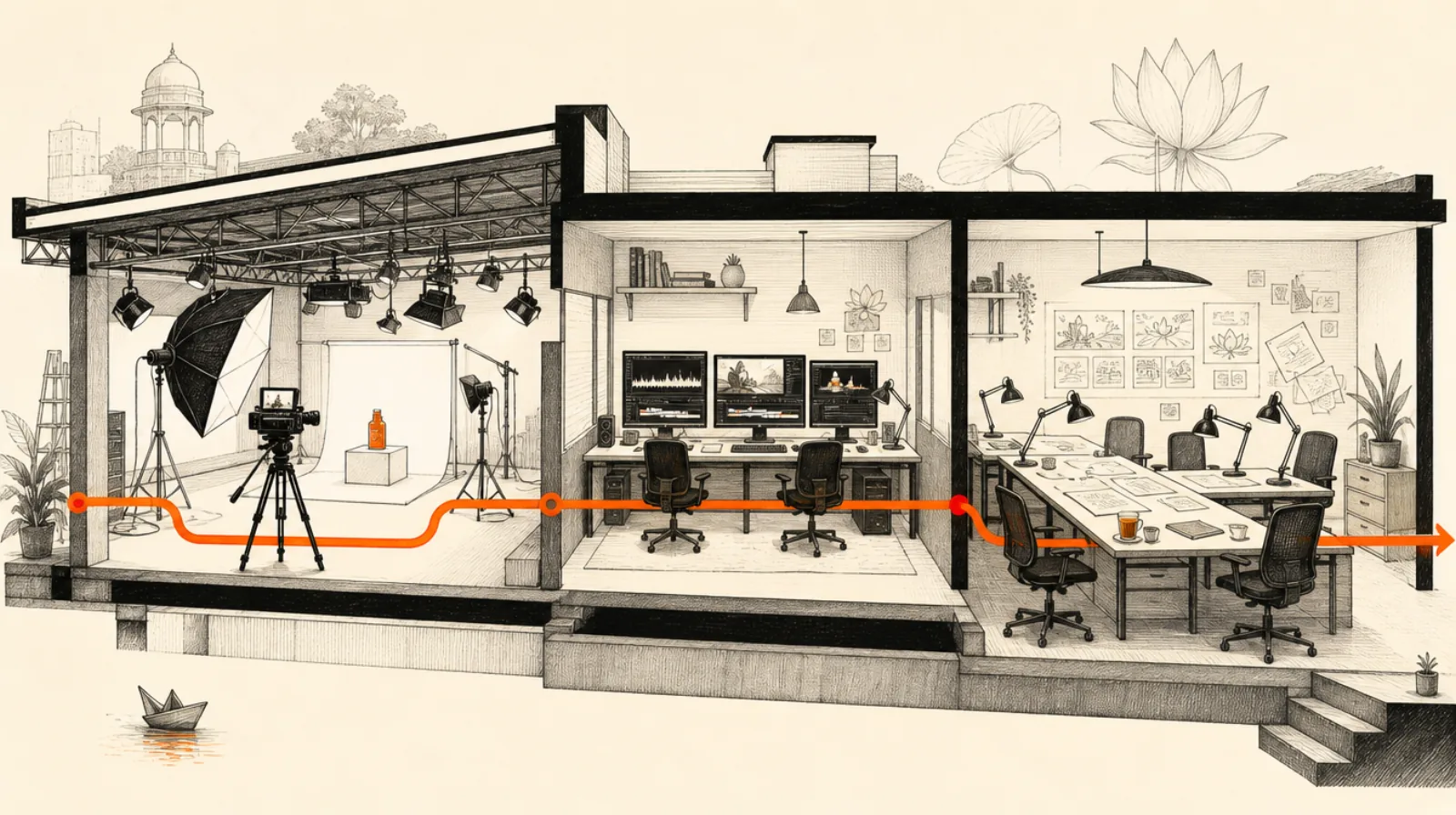
The role of the media buyer has flipped. Less time inside ad manager, more time briefing creative. The performance account is now a demand signal generator — it tells you which hooks are tiring, which audiences are under-served, which formats need expansion. Then the creative team executes.
If your performance and creative teams aren’t in the same Slack channel, you’ve already lost the loop.
Effectively yes for D2C on Meta. Advantage+ and broad-audience setups now beat hand-crafted interest stacks about 80% of the time across the accounts we run. Interest targeting still has narrow utility — very local geographies, regulated categories, lookalikes off high-quality first-party data — but the default playbook is broad + creative-led, not interest-stacked.
30–50 fresh creatives per month for accounts spending ₹5L+/month on Meta. Below 20 a month, the algorithm sees the same ad on repeat and CPMs rise. Volume matters because each new creative is a new audience signal — the creative IS the targeting, so volume = targeting variance.
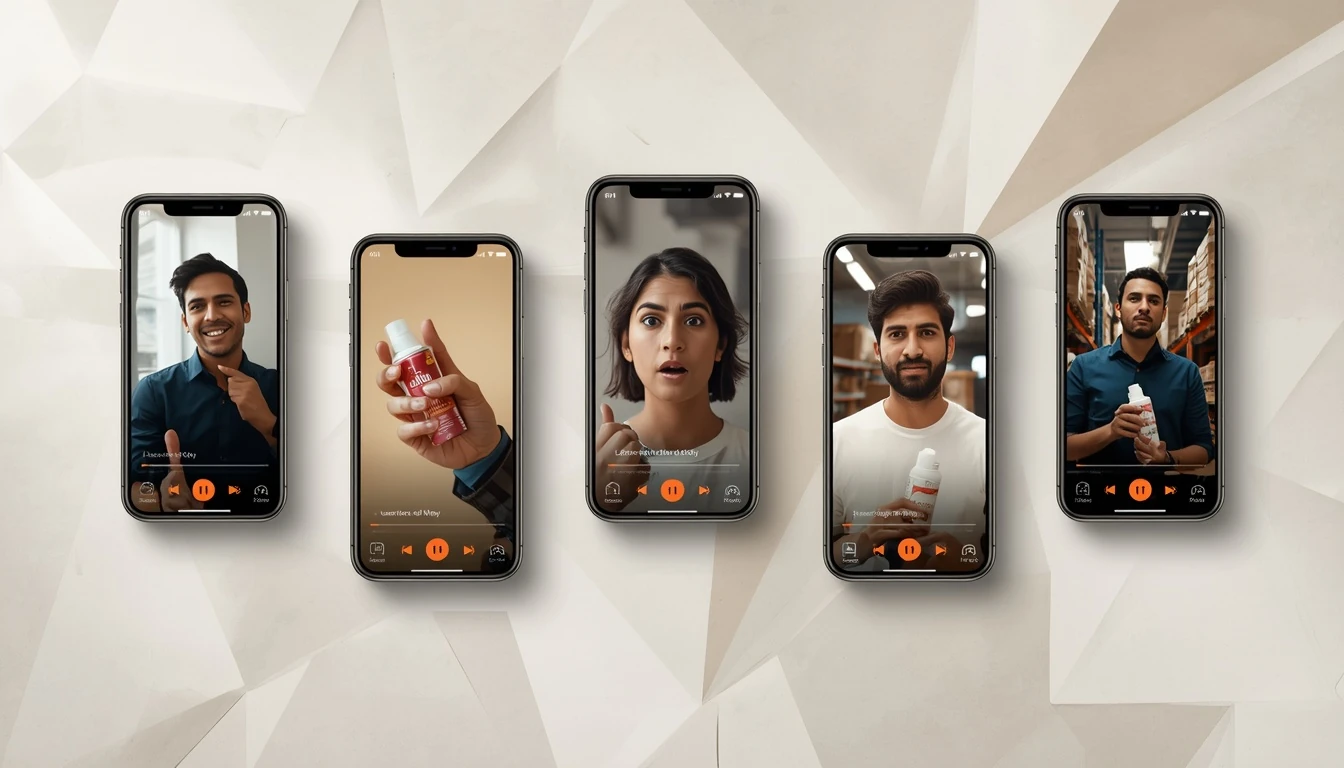
Four dimensions: (1) hook variance — at least 6 distinct hook frameworks, (2) creator variance — at least 4 demographically different creators (age, gender, look), (3) format variance — minimum 3 formats live (talking head, demo, reaction), (4) message variance — different angles into the same product. Volume without variance is one ad shown many times.
From the first 1.5 seconds. Creator demographic, scene context, audio fingerprint, frame composition, and hook language all feed Meta's content classifier. A 22-year-old creator with gym B-roll reaches a different audience pocket than a 38-year-old creator with kitchen B-roll for the same product — without you defining either audience. The targeting happens inside the ad.
Brief creative, not bids. The performance account becomes a demand-signal generator — it tells you which hooks are tiring, which formats are under-served, which creator profiles need expansion. The output of ad manager analysis is a creative brief, not a campaign restructure. If your performance and creative teams aren't in the same Slack channel, you've already lost the loop.
Both, in different ways. Google's Performance Max also collapsed targeting into algorithm-managed asset groups — the inputs are still creatives (assets, video, headlines), and variance still matters. The main difference: Google's asset slots are more rigid, so the variance lives in headline/description combinations and asset rotation rather than full ad creatives. The principle — creative as the targeting lever — holds.
Creative-as-targeting is the engine behind why CPMs keep rising and why UGC volume beats influencer spend for performance. For the full D2C marketing picture, start with our founder’s pillar guide.
⏤ Free audit
Read-only access to your Meta + Google Ads accounts. Full teardown of wasted spend, creative fatigue, and ROAS forecast. No obligation.
⏤ Working on something similar?
Read-only access to your Meta + Google Ads accounts. Full teardown of wasted spend, creative fatigue, and ROAS forecast. No obligation. Or jump straight to our UGC ads page.
We use cookies for analytics and ads. See our Privacy Policy.