 UGC
UGCUGC · May 2026
UGC and influencer marketing are not the same thing. We treat UGC as performance creative and influencer as awareness — different jobs, different KPIs, different budget lines. Here's the full breakdown: cost, measurement, and a decision matrix for which to use when.
 UGC
UGC⏤ Summarize with AI
Open this article in your favourite chatbot for a 3-bullet summary.
Most brands lump UGC and influencer marketing into one budget line and wonder why the spend feels diffuse. They're different tools, with different jobs, on different timelines — and the moment you separate them, both start working. UGC makes your ads cheaper. Influencer makes your brand searchable.
UGC creators are paid for output — usable clips the brand owns and runs as ads, where audience size is irrelevant. Influencers are paid for access — to their audience and trust, with the post living on their handle. UGC is creative production; influencer is audience borrow.
UGC creators are paid for output — usable raw clips in a defined format. The brand owns and edits the result. Most UGC creators have small audiences (or none). The job is creative production.
Influencers are paid for access — to their existing audience and the trust they've built. The post lives on their handle. The job is borrowing credibility, not producing creative.
UGC and influencer differ on six things: what you pay for, where the content lives, the job it does, how it's measured, cost, and time-to-signal. In short — UGC makes your ads cheaper and is judged on ROAS; influencer makes your brand searchable and is judged on branded-search lift.
Six dimensions where the two diverge. Read it as: these are not two flavours of the same thing — they're two different line items that happen to both involve creators.
What you pay for
UGC
Output — usable raw clips in a defined format. You own and edit them.
Influencer
Access — to their audience and the trust they've built. The post lives on their handle.
Where the content lives
UGC
Your ad account. You run it as paid media.
Influencer
Their feed / story / reel. Organic on their channel.
Primary job
UGC
Make Meta & TikTok cheaper by feeding the account fresh creative.
Influencer
Associate your brand with someone the audience already trusts.
How it's measured
UGC
Cost-per-creative-shipped, hook-rate, campaign ROAS.
Influencer
Branded-search lift, branded SOV, assisted conversions, repeat rate.
Typical cost (India, 2026)
UGC
₹1,500–₹8,000 per usable clip; ₹10k–₹40k/month for a 10–30 clip retainer.
Influencer
₹5k–₹50k per post (nano/micro) to ₹2L–₹15L+ (macro/celebrity).
Time to signal
UGC
3–7 days — you see ad performance almost immediately.
Influencer
2–6 weeks — brand lift and search demand take time to register.
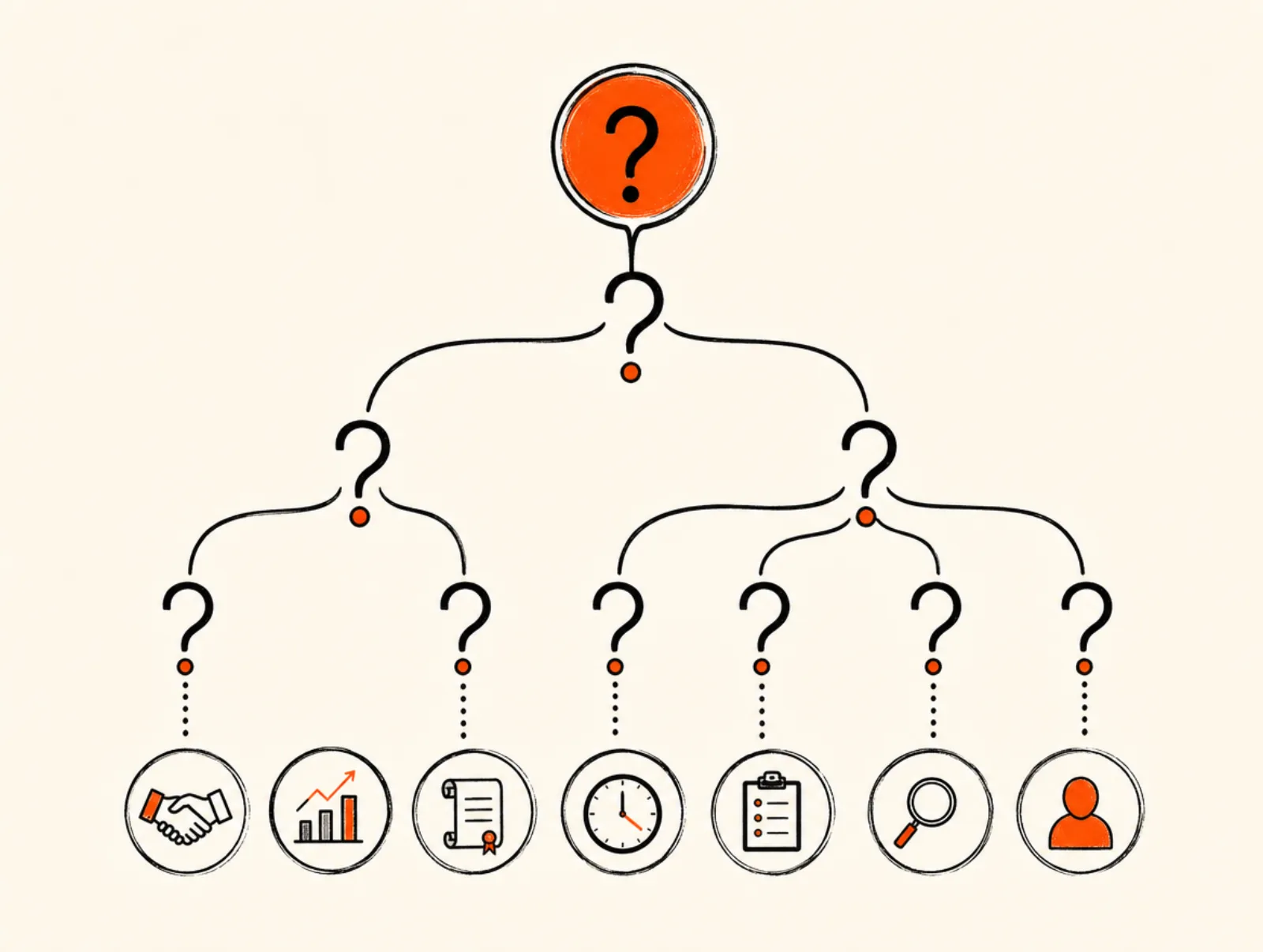
Pick by your current constraint: rising CPMs → UGC (a creative problem); flat branded search → influencer (a recognition problem); a product launch → both; a new category → influencer first, then UGC; under ~10 creatives/month of demand → freelance creators, not a UGC retainer.
Pick based on your current constraint, not on what's trendy. The question is always: what's actually limiting growth right now — creative, or recognition?
You're launching a new product
→ Both
UGC for paid-media spool-up, influencer for category education + social proof.
Your CPMs are climbing
→ UGC
You have a creative problem, not an audience problem. Fresh creative resets CPMs.
Your branded search is flat
→ Influencer
You have a recognition problem, not a creative problem. Borrow an audience.
You're entering a new category
→ Influencer first
Build the language and credibility, then scale demand with UGC.
You're under ₹10 creatives/month of demand
→ Neither at scale
Below ~10 clips/month, freelance creators are a better fit than a UGC retainer.
Most brands either hire influencers to make ads — the post dies when whitelisted because it was briefed for an organic feed, not performance — or pay UGC creators to post on their own tiny followings, which can't move branded search. Both pay for the wrong outcome.
They use influencers to make ads. The post performs okay on the creator's feed; whitelisted to the brand handle, it fizzles. The creator wasn't briefed for performance; they were briefed for an organic post. Two different deliverables.
Or — the inverse — they pay UGC creators to post on their own handles. Creators with 800 followers can't move branded search. You're paying for the wrong outcome.
UGC (user-generated content) marketing pays creators for output — raw video clips in a defined format that the brand owns, edits, and runs as paid ads. The creator's audience size is irrelevant; the job is creative production at scale. Influencer marketing pays creators for access — to their existing audience and the trust they've built. The content lives on the creator's own handle, and the job is borrowing credibility, not producing ad creative. UGC makes your ads cheaper; influencer makes your brand more searchable.
Per asset, yes. In India in 2026, a usable UGC clip runs ₹1,500–₹8,000, or ₹10,000–₹40,000/month for a retainer producing 10–30 clips. Influencer posts range from ₹5,000–₹50,000 for nano/micro creators to ₹2L–₹15L+ for macro and celebrity tiers. But they're not substitutes — UGC is a creative-production cost (it makes paid media efficient), while influencer is a brand-awareness cost (it builds demand). Comparing their per-unit price is the wrong frame; compare them to the outcome each one drives.
Occasionally, but it's rare and you shouldn't assume it. A great UGC creator is a great on-camera performer who delivers usable footage on brief — that skill has nothing to do with audience size. A great influencer has built a trusted audience — which has nothing to do with whether their footage cuts well as a paid ad. When you hire one person to do both jobs, you usually get a mediocre version of each. Brief them for one outcome.
Stop measuring it on last-click ROAS — that's the single most common mistake. Influencer value shows up in metrics performance marketers don't usually watch: branded-search volume (pull a before/after from Search Console or Google Trends), branded share-of-voice, direct and organic site traffic, assisted conversions in GA4, and repeat-purchase rate. Run influencer activity in waves and measure the lift in these metrics across the wave window, not the click attributed to a single post.
For a brand actively scaling on Meta, 30–50 new ad variations per month is the working target — Meta's algorithm rewards creative volume, and ad fatigue sets in fast once frequency climbs past 2.5–3.5. That doesn't mean 50 unique shoots; it means 8–15 raw concepts cut into 30–50 variations (different hooks, formats, lengths, captions). Below ~10 clips/month of genuine demand, a UGC retainer is overkill and freelance creators are the better fit.
Only if the creator was briefed for performance from the start. Whitelisting (running ads from the creator's handle) works when the content was built like an ad — strong hook, clear value prop, a reason to click. It fizzles when you take an organic brand post, whitelist it, and expect ROAS — because it was made to be scrolled past affectionately, not to convert a cold audience. Decide the deliverable up front: organic awareness post, or performance creative. They're briefed differently.
Two inversions. First, they hire influencers to make ads — the post does fine on the creator's feed but dies when whitelisted, because the creator was briefed for an organic post, not performance. Second, they pay UGC creators (who have 800 followers) to post on their own handles and expect brand lift — but a tiny audience can't move branded search. In both cases the brand paid for the wrong outcome because it never separated the two budgets or the two jobs.
Most scaling D2C brands eventually run both, but rarely at the same intensity simultaneously. If you're creative-constrained and CPMs are rising, prioritise UGC. If you're recognition-constrained and branded search is flat, prioritise influencer. At a product launch you genuinely want both — UGC to feed paid media and influencer to seed category awareness. The key is funding them from separate budget lines so you can evaluate each on its own KPI.

UGC and influencer are two pieces of the full D2C creative + media stack. For the complete picture — paid media, creative volume, attribution, scaling — see our D2C marketing pillar guide. If your CPMs are the reason you're investing in UGC, our breakdown of why CPMs keep rising explains the pressure — and why creative is the new targeting explains why UGC volume is the lever that actually moves the account. If you want the creative engine run for you, that's our UGC & creative service.
⏤ Free audit
Read-only access to your Meta + Google Ads accounts. Full teardown of wasted spend, creative fatigue, and ROAS forecast. No obligation.
⏤ Working on something similar?
Read-only access to your Meta + Google Ads accounts. Full teardown of wasted spend, creative fatigue, and ROAS forecast. No obligation. Or jump straight to our UGC ads page.
We use cookies for analytics and ads. See our Privacy Policy.