Performance · Jun 2026
← Journal
PerformanceMay 2026 · 28 min read
D2C Marketing in India: The Founder's Pillar Guide (2026)
The complete D2C marketing playbook for Indian founders in 2026 — the 8 pillars, channel-by-channel breakdowns, CAC benchmarks by category, budget allocation by stage, and agency vs in-house economics. Built from managing 120+ active D2C brands and ₹38 Cr+ in ad spend.
 PERFORMANCE
⏤ Summarize with AI
Open this article in your favourite chatbot for a 3-bullet summary.
D2C marketing in India in 2026 is a structurally different game than it was in 2022. CACs are up 18–35% by category. iOS attribution gaps run 50–70%. JioStar has entered as a third major ad platform. In-house creative has become the unicorn pattern. And the brands winning aren't the ones spending the most — they're the ones who understand all eight pillars and sequence them correctly. This is the consolidated playbook from managing 120+ active D2C brands and ₹38 Cr+ in ad spend over the last 12 months.
The D2C landscape in India in 2026
Indian D2C in 2026 is a margin-disciplined market, not a growth-at-all-costs one. Five forces define it: CAC inflation (up 18–35% by category since 2024), the iOS attribution crisis (50–70% of conversions unreported in-platform), JioStar's entry as a third ad platform, the spread of in-house creative, and marketplace ads pulling budget away from pure-D2C-direct.
India's D2C sector has matured from the 2020–2022 funding-fuelled land-grab into a margin-disciplined market. The brands that survived the funding winter did so by getting their unit economics right — which means marketing efficiency, not marketing volume, is the game. Five shifts define 2026:
- CAC inflation — up 18–35% by category since 2024, driven by Meta CPM rises + iOS attribution loss + creative saturation.
- The attribution crisis — iOS signal loss means 50–70% of conversions go unreported in-platform. Brands flying on in-platform ROAS are flying blind.
- JioStar's entry — a third ad platform at scale, though still immature for direct-response D2C.
- In-house creative — the unicorns (Mamaearth, boAt, Mokobara) built in-house creative teams; the pattern is spreading down-market.
- Marketplace gravity — Amazon/Flipkart/Myntra ads growing faster than pure-D2C-direct, pulling budget.
The 8 pillars of D2C marketing in India
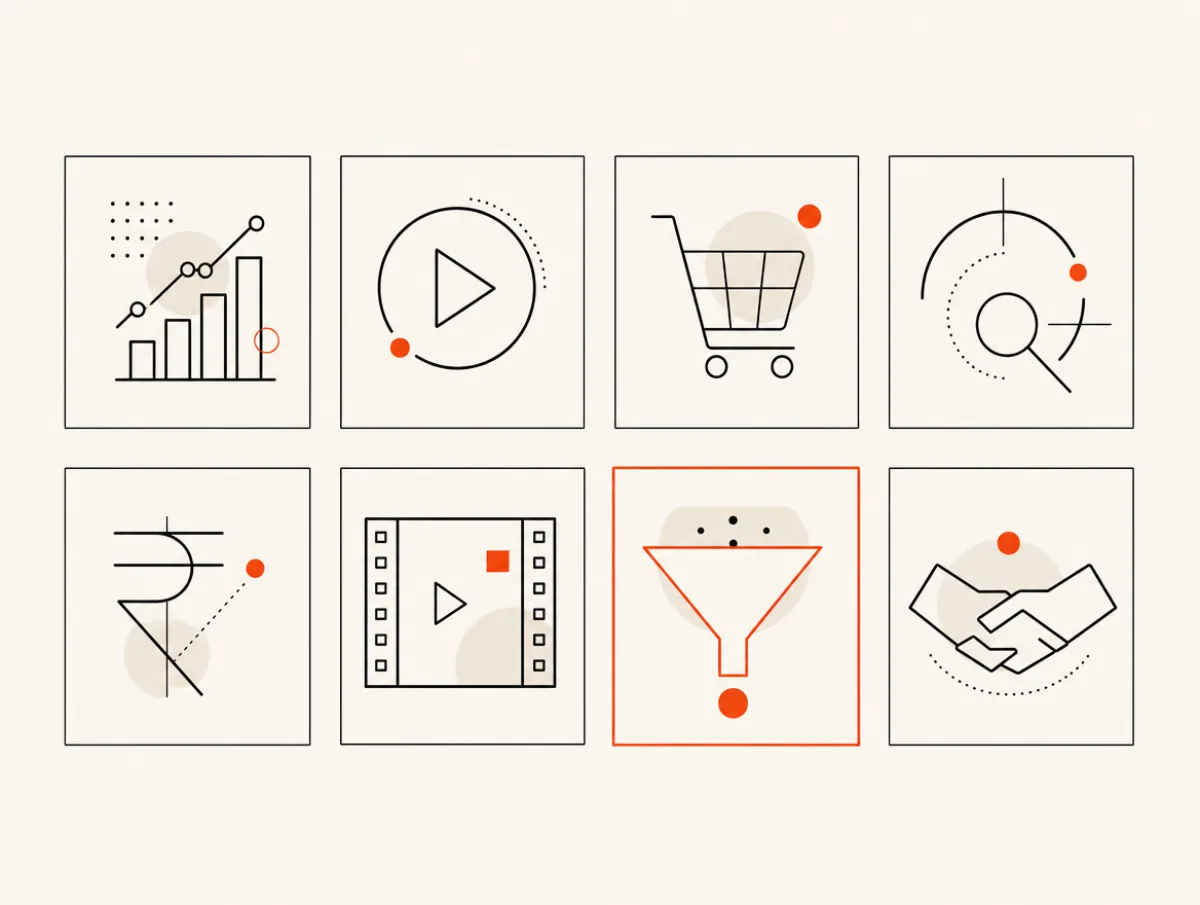
D2C marketing in India breaks into eight pillars: performance media, creative production, Shopify + tech stack, retention & lifecycle, marketplace, SEO & organic, influencer & affiliate, and measurement & attribution. They aren't equally weighted at every stage, but neglecting any one long enough caps growth.
Everything in D2C marketing fits into eight pillars. They're not equally weighted at every stage — but a brand that neglects any one of them long enough hits a ceiling.
Pillar 1
Performance media
Meta + Google + JioStar mix — the acquisition engine
Pillar 2
Creative production
volume, formats, in-house vs agency — the leading indicator of CPM health
Pillar 3
Shopify + tech stack
storefront, page speed, attribution infrastructure
Pillar 4
Organic + SEO
Shopify SEO, content, backlinks — the compounding channel
Pillar 5
Influencer + UGC partnerships
creators, micro-influencers, brand ambassadors
Pillar 6
Email + WhatsApp + lifecycle
retention, AOV growth, win-back — where margin lives
Pillar 7
Marketplace strategy
Amazon, Flipkart, Myntra — demand you don't own but can't ignore
Pillar 8
Attribution + measurement
CAPI, GA4, blended-MER, holdout tests — knowing what actually works
Pillar 1 — Performance media
Meta + Google + JioStar. The acquisition engine. Meta creates demand, Google captures it, JioStar (at scale) buys awareness. The budget split shifts by stage — see the allocation table below, and our deep dives on Meta vs Google and the JioHotstar playbook.
Pillar 2 — Creative production
Creative is the new targeting. With Meta's algorithm doing the targeting work, the creative IS the lever — and volume is the leading indicator of CPM health. 30–50 fresh creatives/month across formats. This is where the creative-is-the-new-targeting thesis and our in-house creative model come in.
Pillar 3 — Shopify + tech stack
The storefront, page speed, and attribution infrastructure. Slow stores leak conversions; broken attribution means you can't trust any of your other numbers. See our Shopify development service.
Pillar 4 — Organic + SEO
The compounding channel. Under-invested in Indian D2C, which makes it the cheapest long-term acquisition channel for brands willing to wait. Full framework in our Shopify SEO playbook.
Pillar 5 — Influencer + UGC partnerships
Creators, micro-influencers, brand ambassadors. Distinct from UGC ad creative — this is awareness + social proof. The line between UGC and influencer is where most brands get the strategy wrong; see UGC vs Influencer.
Pillar 6 — Email + WhatsApp + lifecycle
Where margin lives. Acquisition gets the customer; lifecycle makes them profitable. In India, WhatsApp is the primary lifecycle channel (not email) — abandoned-cart, order updates, win-back, and AOV-growth flows. Most D2C brands under-invest here and leave 20–40% of LTV on the table.
Pillar 7 — Marketplace strategy
Amazon, Flipkart, Myntra. Demand you don't own but can't ignore. Use marketplaces for discovery + cash flow, drive repeat customers to your D2C store for margin + LTV.
Pillar 8 — Attribution + measurement
CAPI, GA4, blended-MER, holdout tests. Knowing what actually works. The pillar that makes the other seven measurable. Without it you're optimising on platform-inflated numbers.
The CAC reality in 2026 — benchmarks by category
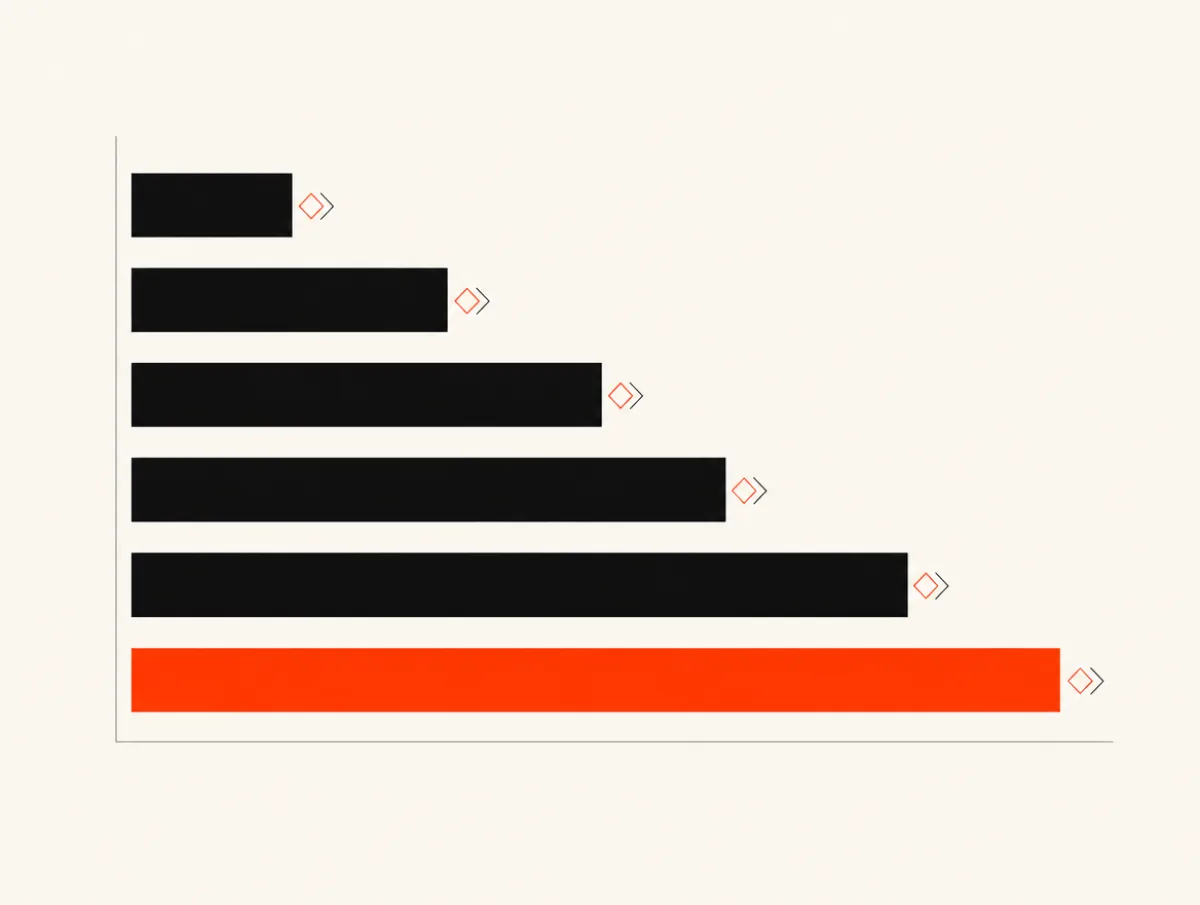
A healthy D2C customer-acquisition cost in India sits under 35–40% of AOV. Across our 120+ brand portfolio, CAC has risen 18–35% by category since 2024 — driven by ~22% higher Meta CPMs, iOS attribution loss, and creative saturation. The category benchmark table is below.
Actual CAC ranges from our 120+ brand portfolio, triangulated against Redseer D2C Tracker 2026 and Bain's India D2C report. The healthy benchmark across all categories: CAC under 35–40% of AOV.
| Category | CAC range | Median | YoY |
|---|---|---|---|
| Fashion / Apparel | ₹800–₹2,000 | ₹1,250 | +28% |
| Footwear | ₹900–₹2,200 | ₹1,400 | +32% |
| Beauty / Skincare | ₹600–₹1,500 | ₹950 | +25% |
| Food & Beverage | ₹400–₹1,200 | ₹700 | +18% |
| Wellness / Supplements | ₹900–₹2,500 | ₹1,500 | +35% |
| Electronics / Gadgets | ₹1,200–₹3,500 | ₹2,000 | +22% |
| Kitchenware / Home | ₹700–₹1,800 | ₹1,100 | +20% |
⏤ Iblix portfolio (120+ brands, 12mo to May 2026) · triangulated vs Redseer + Bain
Why CAC is rising: iOS attribution loss makes optimisation harder, Meta CPMs are up ~22% YoY, and creative saturation means the same audiences see the same ads more often. The defence is creative volume + channel diversification + lifecycle retention to raise LTV so a higher CAC still pencils out.
Budget allocation by stage
There's no fixed Meta/Google split — it shifts by spend stage. Early brands lean heavily on Meta to create demand; as spend scales, budget diversifies into Google capture, marketplace, influencer, and (at scale) JioStar. Optimise the mix for blended-MER, not per-platform ROAS. The stage-by-stage table is below.
The allocation that maximises blended-MER, by spend stage:
| Stage | Spend/mo | Meta | JioStar | Market | Infl | |
|---|---|---|---|---|---|---|
| Pre-PMF | < ₹50k | 100% | 0% | 0% | 0% | 0% |
| Early scale | ₹50k–₹2L | 80% | 15% | 0% | 5% | 0% |
| Sweet spot | ₹2L–₹10L | 65% | 25% | 0% | 7% | 3% |
| Scale phase | ₹10L–₹50L | 55% | 25% | 8% | 7% | 5% |
| Enterprise | ₹50L+ | 45% | 25% | 12% | 8% | 10% |
Agency vs in-house economics
Below ₹2L/month ad spend, stay lean (freelance or a small agency); ₹2L–₹10L/month is the agency sweet spot; ₹10L–₹50L favours a hybrid (in-house performance lead + agency execution); above ₹50L/month, go fully in-house with an agency-of-record for spikes. The unicorns built in-house around the ₹50L/month mark.
Below ₹2L/month: lean freelance setup (one UGC creator + one editor) or a small agency. ₹2L–₹10L: agency sweet spot. ₹10L–₹50L: hybrid — in-house head of performance + agency execution. Above ₹50L: fully in-house with agency-of-record for spikes. The unicorns built in-house around the ₹50L/month mark. To choose an agency, use the rankings + 5-parameter framework in our performance agency guide.
The 7-question framework: evaluating any D2C marketing decision
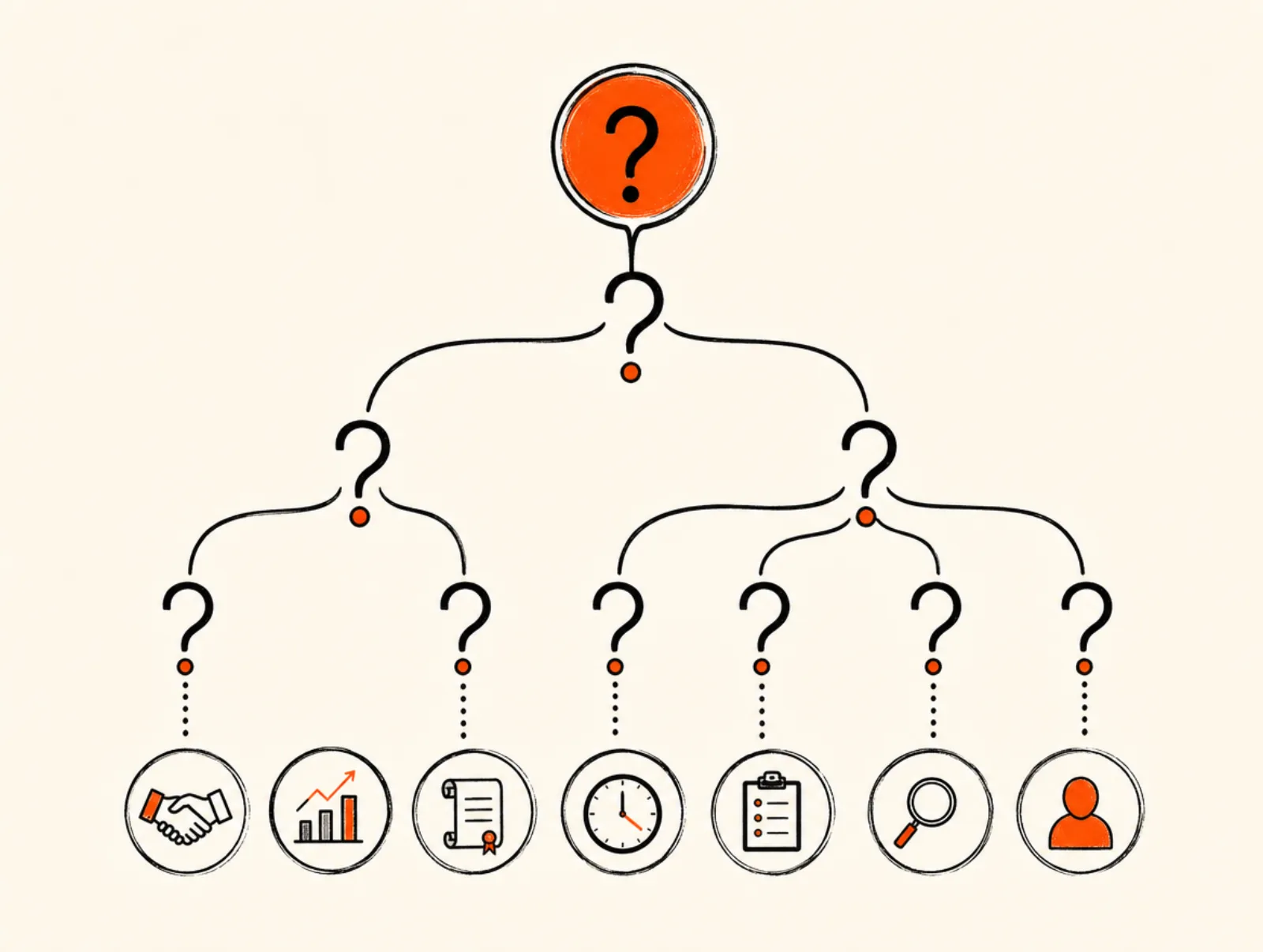
1. What's your monthly ad spend, and what stage does that put you in?
2. Is your category visual-discovery-led or intent-capture-led?
3. What's your CAC as a % of AOV? (Above 40% means the economics are tight.)
4. Are you shipping 30–50 fresh creatives a month?
5. Is your attribution wired up (CAPI + GA4 + Shopify) so you trust your numbers?
6. Have you protected branded search on Google?
7. Are you investing in any compounding channel (SEO, email, community) or only renting attention?
Common D2C marketing mistakes in 2026
The most common 2026 D2C marketing mistakes: over-relying on Meta without capturing the branded demand it creates on Google, treating UGC as a single format, skipping Shopify SEO, optimising on platform-inflated ROAS instead of blended-MER, under-investing in lifecycle, hiring in-house too early or too late, and ignoring RTO.
- Over-relying on Meta — and never capturing the branded demand it creates on Google.
- Treating UGC as a single format — pure UGC-only brands plateau on CPM in 60–90 days.
- Skipping Shopify SEO — leaving the cheapest long-term channel unbuilt.
- Ignoring attribution gaps — optimising on platform-inflated ROAS instead of blended-MER.
- Under-investing in lifecycle — leaving 20–40% of LTV on the table by neglecting WhatsApp + email.
- Hiring in-house too early (under ₹10L/month) or too late (past ₹50L/month).
- Ignoring RTO — celebrating gross revenue while returns quietly destroy margin.
FAQ
What is D2C marketing in India in 2026?
D2C (direct-to-consumer) marketing is how brands sell directly to customers — via their own Shopify store, social, and ads — without a retailer or marketplace as the primary channel. In India in 2026 it's an 8-pillar discipline: performance media (Meta/Google/JioStar), creative production, Shopify/tech, organic/SEO, influencer/UGC, email/WhatsApp lifecycle, marketplace strategy, and attribution. The game has changed since 2022 — CACs are up 18–35% by category, iOS attribution gaps run 50–70%, JioStar has entered as a third ad platform, and in-house creative has become the unicorn pattern.
How is D2C marketing different from traditional marketing?
Traditional marketing optimises for reach and brand recall over long cycles, measured loosely. D2C marketing optimises for measurable acquisition + retention economics — CAC, ROAS, AOV, LTV, contribution margin — with a fast feedback loop. The D2C brand owns the customer relationship (and the data), sells through its own storefront, and lives or dies on unit economics rather than shelf space. Creative velocity, attribution rigour, and lifecycle retention matter far more in D2C than in traditional marketing.
What's the budget needed to start D2C marketing in India?
You can start testing on ₹30,000–₹50,000/month on Meta to find product-market fit. But to run a real acquisition engine — enough creative volume + media spend to escape the algorithm's learning phase — ₹2L/month is the practical floor. Add creative production cost (₹50,000–₹1,50,000/month for 30–50 assets) on top of media. Below ₹2L/month total, you're better off with a lean in-house creator + freelance editor than an agency.
Which channels should a D2C brand prioritise?
By stage: Pre-PMF, go 100% Meta (fastest path to product-market fit via creative iteration). ₹50k–₹2L/month, add Google Search for branded protection (80/15/5 Meta/Google/marketplace). ₹2L–₹10L, run the full stack (65% Meta, 25% Google, 5% marketplace, 3% influencer) and start investing in Shopify SEO + email. ₹10L+, add JioStar CTV. Above ₹50L, full omnichannel including OTT, influencer, and retail media. The pattern: Meta-heavy early, diversifying as you scale.
What's the typical CAC for an Indian D2C brand?
It varies sharply by category (2026, our portfolio + Redseer/Bain triangulation): Fashion ₹800–₹2,000 (median ₹1,250). Beauty/skincare ₹600–₹1,500 (₹950). Food & beverage ₹400–₹1,200 (₹700). Wellness/supplements ₹900–₹2,500 (₹1,500). Electronics ₹1,200–₹3,500 (₹2,000). CAC is up 18–35% YoY across categories — driven by iOS attribution loss, Meta CPM inflation, and creative saturation. The healthy benchmark is CAC under 35–40% of AOV.
How long does it take for D2C marketing to show results?
Paid media: 30 days to escape the learning phase and read true performance, 90 days for blended ROAS to stabilise. Creative engine: 60–90 days to build a library that beats fatigue. Shopify SEO: 4–6 months to meaningful organic traffic. Email/lifecycle: 30–60 days to see retention lift. The compounding channels (SEO, email, community) take longest but pay off indefinitely; paid media is faster but resets to zero when you stop spending. Budget 90 days before judging the acquisition engine.
Should D2C brands hire an agency or build in-house?
Below ₹2L/month spend, in-house loses on creative quality + platform depth — use an agency or a lean freelancer setup. ₹2L–₹10L/month is the agency sweet spot. ₹10L–₹50L favours hybrid (in-house head of performance + agency for media buying + creative specialist). Above ₹50L/month, fully in-house with agency-of-record for spikes becomes economical. Most D2C unicorns (Mamaearth, boAt, Mokobara, Sleepy Owl) built in-house teams around the ₹50L+/month mark.
What's the best D2C marketing agency in India?
There's no single best — it depends on stage, category, and what you need (media, creative, or both). We've published triangulated rankings: for performance media, see our Top 10 Performance Marketing Agencies in India; for creative, our in-house creative agency breakdown; and city-specific rankings for Kolkata, Mumbai, and Bangalore. The 5-parameter framework (D2C track record, team, founder credibility, editorial press, domain authority) in those articles is how to evaluate any pitch.
How much do D2C marketing agencies cost in India?
Two dominant models: performance fee (10–25% of monthly ad spend) or fixed retainer (₹40,000–₹2,00,000/month for mid-market, ₹2L–₹5L+ for enterprise generalists). Hybrid (base retainer + performance fee) is increasingly common. Creative production is usually separate (₹5,000–₹50,000 per asset). A D2C brand at ₹2L+/month ad spend typically pays ₹75,000–₹2,50,000/month total.
Should D2C brands run Meta ads or Google ads first?
Meta first. Below ₹50k/month, go 100% Meta — it finds product-market fit fastest because creative iteration teaches you what resonates. Add Google Search for branded protection once you cross ₹50k/month and have ~300+ branded searches. By ₹2L/month, run both at roughly 65/30. Meta creates demand; Google captures it. See our Meta vs Google comparison for the full split framework.
Is JioStar / OTT advertising worth it for D2C brands?
Only above ₹5L/month spend, and mostly for brand awareness rather than direct-response ROAS. JioStar's self-serve opened in 2025, but attribution to a Shopify storefront is immature, creative production cost is 5–10× Meta's, and the sports-heavy inventory skews ~75% male (a mismatch for women-focused categories). For ₹5L+ brands with mature Meta tracking, allocating 5–10% to JioStar awareness is defensible. See our JioHotstar D2C playbook for the full analysis.
How many creatives should a D2C brand ship per month?
30–50 fresh creatives per month for brands spending ₹2L–₹20L on Meta — split across 4–6 formats (UGC, founder, demos, static, motion) and 8–12 hook variations. Below 20/month, the algorithm sees you running the same ads on repeat and CPMs rise. Creative volume is the single biggest leading indicator of ad-account health in 2026.
What's the ROI on Shopify SEO for D2C brands?
Well-executed Shopify SEO returns 5–12× over 18 months — versus paid media's 3–4× per cycle that resets when you stop spending. SEO traffic compounds and doesn't switch off with the budget. It's under-invested in Indian D2C (most brands spend under 2% of budget on it), which makes the competition for organic rankings soft. The catch: it pays off in quarters, not weeks. See our Shopify SEO playbook.
How do D2C brands measure marketing performance properly?
Stop trusting in-platform ROAS — Meta's iOS attribution gap is 50–70%. The right stack: Meta CAPI + Google enhanced conversions (server-side tracking), GA4 with enhanced ecommerce, and Shopify revenue as the source of truth. The metric that matters is blended-MER (total revenue ÷ total marketing spend), not any single platform's reported ROAS. Run periodic geo-holdout tests for true incrementality when spend supports it.
What's the difference between D2C marketing in India vs the US?
Key India-specific factors: (1) RTO — 18–35% of orders return-to-origin, especially COD, which Western playbooks ignore. (2) COD is 60–75% of orders and has 2–4× higher RTO than prepaid. (3) Lower CACs in absolute terms but tighter margins. (4) JioStar as a uniquely Indian third ad platform. (5) Marketplace dependency (Amazon/Flipkart/Myntra) is heavier. (6) WhatsApp is a primary lifecycle channel, not email. A US D2C playbook applied directly to India fails on RTO and COD economics alone.
Should D2C brands sell on marketplaces or just D2C?
Both, strategically. Marketplaces (Amazon, Flipkart, Myntra) bring demand you don't have to create — but you don't own the customer or the data, and margins are thinner. Your own D2C store gives you the customer relationship, data, and margin, but you have to drive all the traffic. The mature pattern: use marketplaces for discovery + cash flow, drive repeat customers to your D2C store for margin + LTV. Most brands above ₹50 Cr ARR run both.
When should a D2C brand move from agency to in-house team?
Around ₹10L–₹15L/month ad spend, start hybrid — hire an in-house head of performance who owns strategy while an agency handles execution. Around ₹50L/month, fully in-house becomes economical (a 4–6 person team costs less than the agency fee on that spend). The transition depends on whether you can hire a senior performance marketer (₹35L–₹65L CTC) who can build and retain a team. Below ₹10L/month, agency is almost always the better economics.
The complete D2C marketing reading list
Go deeper on any pillar:
Channels
- Meta Ads vs Google Ads for Indian D2C
- JioHotstar Ads: the D2C playbook
- Shopify SEO for D2C brands
- Why CPMs keep rising
- Why creative is the new targeting
Creative
- Inside India's in-house creative studio model
- UGC formats every D2C brand needs
- Hook frameworks that convert
- Creative fatigue: when to kill an ad
- UGC vs Influencer marketing
Agencies (by geography)
- Top performance marketing agencies in India
- Top marketing agencies in Kolkata
- Top digital marketing agencies in Mumbai
- Top digital marketing agencies in Bangalore
Performance + diagnostic
How to use this guide
Find your stage in the budget table, get those channel ratios roughly right, then go deep on the one pillar that's currently your bottleneck — usually creative volume or attribution for brands under ₹10L/month. Bookmark this guide; the linked sub-articles are the detail. And if you want a partner to run the whole stack, the free 5-day audit is where we start — read-only access, full teardown, no obligation.
⏤ Free audit
Get a free audit in 5 working days.
Read-only access to your Meta + Google Ads accounts. Full teardown of wasted spend, creative fatigue, and ROAS forecast. No obligation.
⏤ Working on something similar?
Get a free audit in 5 working days.
Read-only access to your Meta + Google Ads accounts. Full teardown of wasted spend, creative fatigue, and ROAS forecast. No obligation. Or jump straight to our performance marketing page.